Call for Papers
The CDIO approach (www.cdio.org) is an innovative educational framework designed to produce the next generation of engineers. It emphasizes engineering fundamentals within the context of Conceiving — Designing — Implementing — Operating (CDIO) real-world systems, products, processes, and services.
Recognising the diverse paths of engineering education, CDIO collaborators understand that programs vary in length and stage across different institutions, and that educators everywhere can benefit from shared practices. Throughout the year, CDIO institutions, educators, and researchers come together to exchange ideas, review developments, and refine the CDIO approach.
The CDIO initiative welcomes your ideas and invites proposals for papers, working groups, workshops and roundtables at the 22nd International CDIO Conference taking place from June 22nd to June 25th in Liverpool, UK.
View detailed Call for Papers with guidelines and submission details.
Conference Themes
Under the theme “Enhancing Student Professional Development: innovation in assessment and feedback” this year’s conference aims to explore innovative assessment approaches that focus on the development of professional engineering competencies, skills and attitudes.
Proposals for contributions are welcome on topics relevant to the main conference theme and the sub-themes detailed below. In addition to submissions that align with the theme and sub-themes, we warmly welcome traditional CDIO contributions. These include topics such as curriculum development, design-build-test experiences, faculty development, engineering education research, and innovative learning environments - all of which remain central to our community and practice.
Sub Themes
In line with the main theme of the conference, we would particularly like to see contributions that address some aspect of the following sub-themes:
- Creating ethical and socially responsible professionals of the future.
- Encouraging the use of emotion and reason when solving wicked problems.
- Integrating sustainability principles into engineering education.
- Designing inclusive and equitable learning environments that foster global mindsets.
- Empowering students to become life-long learners.
- Industrial collaborations that enhance student experience and education.
- Harnessing simulation, modelling and AI to enhance learning and teaching.
- Taking a transdisciplinary approach to building knowledge and solving problems.
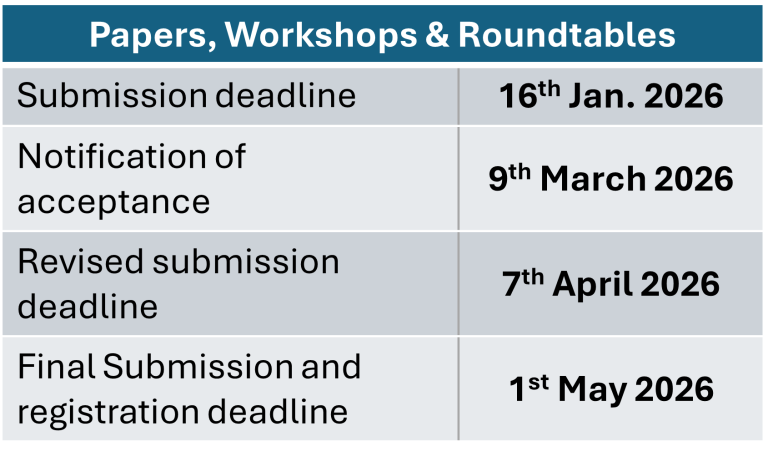
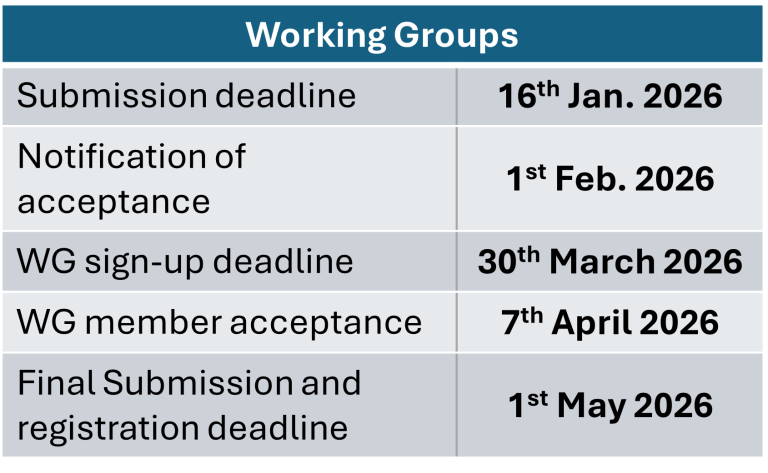
Important Dates